
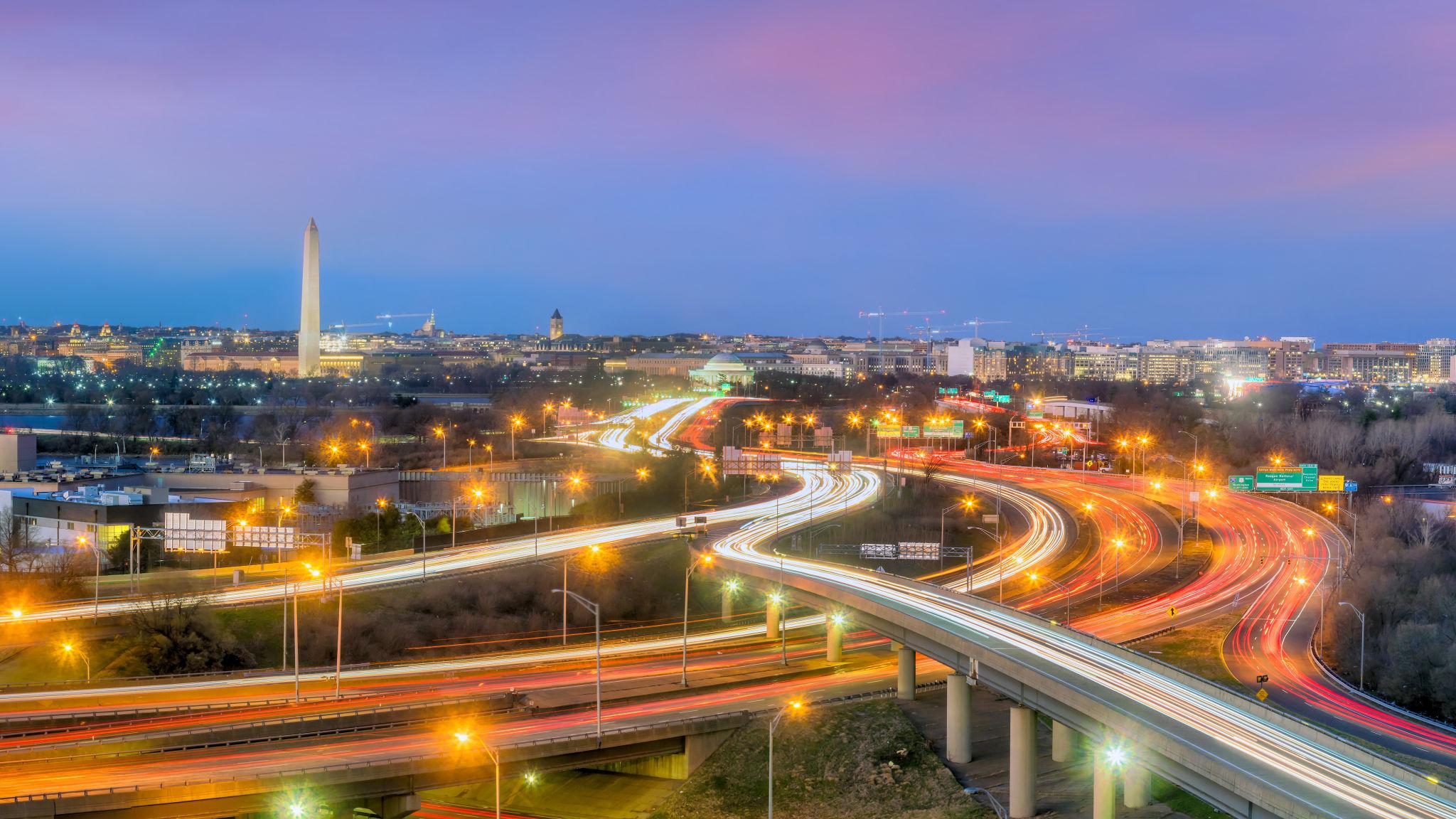
Washington, D.C.’s Next Chapter: Key Developments That Could Influence Daily Life
 By Sarah Mitchell
Washington, D.C. is entering a new phase of growth shaped by housing initiatives, transportation improvements, public safety strategies, infrastructure investments, workforce development programs, and evolving public services. These developments could affect residents, businesses, and visitors in meaningful ways. Understanding the city's emerging priorities provides valuable insight into how daily life in the nation's capital may continue changing throughout 2026 and beyond.
Why Washington, D.C. Is Entering a New Phase
Washington, D.C. has always played a unique role in American life. Beyond serving as the center of federal government activity, it functions as a growing urban community with its own economic, social, and infrastructure challenges.
As the city moves through 2026, policymakers, business leaders, and community organizations are increasingly focused on issues that directly affect quality of life. Housing affordability, transportation efficiency, public safety, economic opportunity, and access to public services have become central priorities.
Unlike short-term policy debates, many of the changes now underway involve long-term planning decisions designed to influence how the city functions over the next decade. For residents, these developments may affect where they live, how they commute, and the services they rely upon. For businesses, they can influence hiring, investment, and customer activity. Visitors may notice improvements that make the city more accessible and easier to navigate.
Understanding these developments helps explain why Washington's next chapter is attracting attention far beyond the city's boundaries.
Housing Remains One of the City's Most Pressing Priorities
Few issues generate as much discussion as housing affordability.
Like many major metropolitan areas, Washington has experienced strong housing demand while facing constraints on available land and development opportunities. As a result, both renters and homebuyers continue to face affordability challenges.
City leaders are pursuing several strategies intended to increase housing supply and support long-term affordability.
Current approaches include encouraging residential development, supporting affordable housing programs, preserving existing affordable units, promoting mixed-income communities, and streamlining approval processes.
For example, a nurse working in the city may find that housing costs consume a substantial portion of monthly income. Expanding housing options could help improve affordability while supporting workforce retention.
The broader objective is to ensure that residents from diverse income levels can continue living and working within the city.
You might also like
1. The US Industries Seeing the Fastest Transformation—and What Comes Next2. Washington, D.C.’s Next Chapter: Key Developments That Could Influence Daily Life3. What Recent Changes in Washington, D.C. Could Mean for Residents, Businesses, and Visitors4. California Crime News This Year: Key Incidents, Emerging Patterns, and What They Could Mean Going ForwardTransportation Improvements Could Change Daily Commutes
Transportation remains essential to Washington's economic and social activity.
Every day, residents, federal employees, private-sector workers, students, and visitors depend on a transportation network that includes public transit, roadways, pedestrian infrastructure, and cycling facilities.
Several initiatives are receiving attention in 2026.
These include public transit modernization, rail and bus service improvements, bicycle lane expansion, pedestrian safety projects, road maintenance investments, and regional transportation coordination.
A resident commuting from a nearby suburb may experience reduced travel delays as transportation systems become more reliable and efficient.
Transportation improvements often generate benefits beyond commuting. Businesses can benefit from stronger customer access, while visitors may find it easier to navigate major destinations.
Public Safety Strategies Continue to Evolve
Public safety remains among the issues most frequently discussed by residents.
City leaders increasingly recognize that successful public safety efforts involve multiple approaches rather than relying on a single strategy. As a result, discussions often include both enforcement measures and community-focused initiatives.
Areas receiving significant attention include violence prevention programs, youth engagement initiatives, community partnerships, mental health resources, and emergency response capabilities.
For example, programs that provide mentorship opportunities and educational support for young people may contribute to long-term community stability while complementing traditional public safety efforts.
Businesses also pay close attention to public safety conditions when making investment decisions. Safe and vibrant neighborhoods often support stronger economic activity and community engagement.
Public Services Are Being Modernized
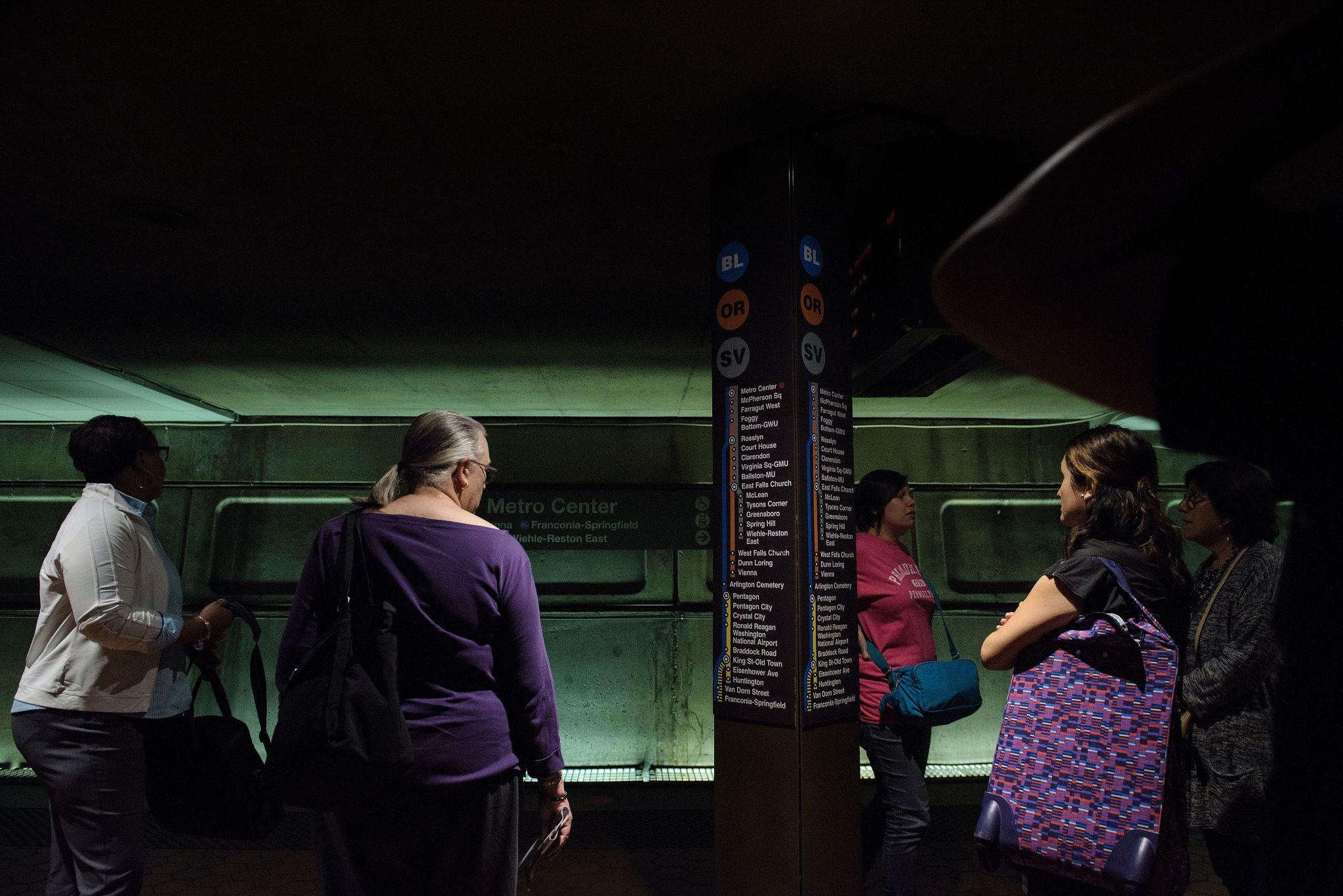
Another major theme shaping Washington's future involves improving public services.
Residents increasingly expect services that are efficient, accessible, and responsive. This expectation applies across multiple areas, including permitting, sanitation, education, parks, recreation, and digital services.
Many modernization efforts focus on digital service platforms, faster permit processing, improved customer support, expanded online resources, and greater transparency.
For example, a homeowner seeking a permit for renovations may benefit from digital systems that reduce paperwork and shorten approval timelines.
Public service modernization may not always generate headlines, but it can significantly influence everyday experiences.
Economic Development Priorities Are Expanding
Washington's economy has historically been closely connected to government activity. While government remains important, city leaders increasingly emphasize economic diversification.
The goal is to support industries capable of generating long-term growth and employment opportunities.
Sectors attracting attention include technology, healthcare, education, hospitality, professional services, and innovation-focused businesses.
Small business development remains a particularly important priority.
Entrepreneurs often play a major role in neighborhood revitalization and job creation. Programs designed to support startups and local businesses can strengthen economic resilience while creating new opportunities for residents.
A more diversified economy may help Washington adapt more effectively to future economic changes.
Downtown Washington Is Being Reimagined
Downtown Washington is experiencing one of the most visible transformations in the city.
Changes in workplace patterns have encouraged policymakers, developers, and business leaders to rethink how downtown districts function. Rather than focusing exclusively on office activity, many initiatives now emphasize mixed-use environments.
These environments often combine housing, retail, restaurants, entertainment, cultural attractions, and public gathering spaces.
The objective is to create neighborhoods that remain active throughout the day and evening.
A downtown district with diverse uses can support stronger local businesses while improving the overall experience for residents and visitors.
Successful revitalization efforts may also contribute to long-term economic stability and community engagement.

Workforce Development Is Becoming Increasingly Important
As industries evolve, workforce development has become a growing priority.
Employers across multiple sectors continue seeking workers with specialized skills. At the same time, many residents are looking for opportunities to advance their careers or transition into new fields.
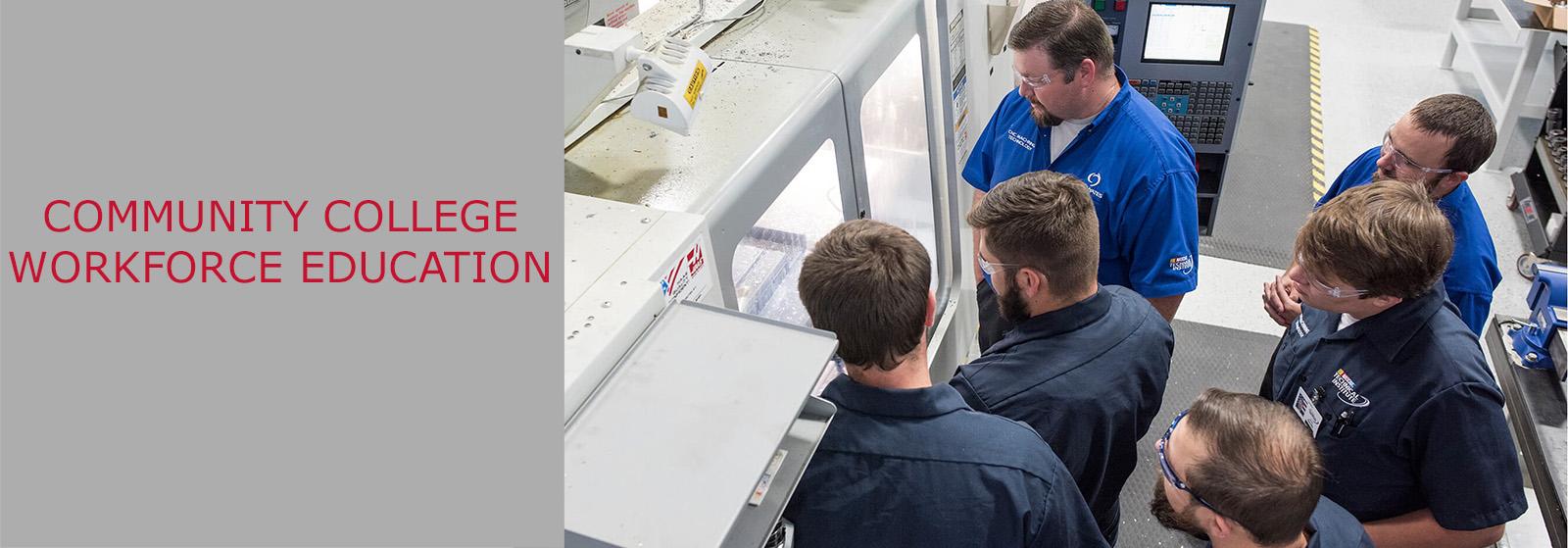
Programs frequently focus on career training, apprenticeships, technical education, industry partnerships, and job placement support.
For example, a worker transitioning from one industry to another may benefit from targeted training programs that provide practical skills and direct employer connections.
Workforce development efforts help support both individual career growth and broader economic competitiveness.
Infrastructure Investments Will Shape Long-Term Growth
Infrastructure often receives less public attention than housing or public safety, yet it plays a critical role in everyday life.
Washington continues investing in projects involving transportation systems, water infrastructure, public facilities, energy systems, and digital connectivity.
Important areas include road and bridge improvements, water system upgrades, public building modernization, broadband expansion, and climate resilience projects.
Infrastructure investments are typically designed with long time horizons in mind. While construction may create temporary inconvenience, long-term benefits often include improved reliability, efficiency, and safety.
Both residents and businesses depend heavily on infrastructure performance.
How These Changes May Affect Daily Life
The developments currently underway are not isolated initiatives. Together, they represent a broader effort to shape Washington's future.
Residents may notice greater housing options, improved transportation experiences, enhanced public services, expanded workforce opportunities, and better public amenities.
Businesses may experience increased economic activity, improved infrastructure, stronger workforce pipelines, more diverse customer bases, and greater investment opportunities.
Visitors may benefit from easier transportation access, improved public spaces, expanded cultural offerings, better visitor amenities, and enhanced neighborhood experiences.
While outcomes will vary across communities, these changes collectively have the potential to influence daily life in meaningful ways.
Conclusion
Washington, D.C.'s next chapter is being shaped by decisions that reach far beyond city hall. Housing policies, transportation improvements, workforce initiatives, infrastructure investments, and public service modernization all contribute to a broader vision for the future.
While challenges remain, these efforts demonstrate a commitment to creating a city that can adapt to changing conditions while continuing to serve residents, businesses, and visitors effectively. The choices being made today are likely to influence Washington's growth, competitiveness, and quality of life for years to come.
About the author
By Sarah MitchellSarah Mitchell is a seasoned finance writer with over 8 years of experience helping millennials and Gen Z take control of their money. With a background in economics and a passion for demystifying complex financial concepts, Ananya shares actionable tips on budgeting, investing, and building long-term wealth. Her mission is to make financial literacy accessible, relatable, and empowering — no jargon, just smart money moves.
More like this

Several Major Changes Are Taking Shape Across America: What Residents Should Know
Across the United States, significant changes are emerging in housing, transportation, workforce development, infrastructure, technology, healthcare access, and local government policy. While these developments vary by region, they collectively reflect broader shifts affecting how Americans live, work, travel, and plan for the future. Understanding these trends can help residents make informed decisions about finances, careers, housing, and community engagement.

The Growing Challenges Facing US Communities—and How Leaders Are Responding
Communities across the United States are facing a complex mix of economic, housing, infrastructure, public safety, healthcare, and workforce challenges. Local leaders are increasingly responding through targeted investments, public-private partnerships, technology initiatives, and community-focused programs. While solutions vary by region, many communities are pursuing practical strategies designed to strengthen resilience, improve quality of life, and address long-term structural concerns.
What New Government Initiatives Could Mean for Jobs, Taxes, and Public Services
Government initiatives introduced at the federal, state, and local levels can influence nearly every aspect of daily life, from employment opportunities and tax obligations to the quality and availability of public services. While policy changes often generate headlines, their practical effects are usually felt gradually through economic activity, workforce development, infrastructure investments, and adjustments to government programs. Understanding these connections can help Americans make more informed financial and career decisions.
The Policy Shifts Gaining Momentum Across the Country—and Their Potential Impact
Across the United States, policymakers are reconsidering a wide range of issues, from housing affordability and education to energy development, workforce participation, healthcare access, and public infrastructure. These policy shifts reflect changing economic conditions, demographic trends, and voter priorities. Understanding where momentum is building—and how those changes could affect households, businesses, and communities—can help Americans prepare for the years ahead.

Why Experts Are Paying Close Attention to America’s Next Economic Turning Point
Economic turning points often shape everything from household budgets and job opportunities to investment markets and government policy. Today, economists, business leaders, and policymakers are closely monitoring several signals that suggest the United States may be approaching another important phase in its economic cycle. Understanding these trends can help Americans make more informed financial, career, and business decisions in the years ahead.

The US Industries Seeing the Fastest Transformation—and What Comes Next
Several major industries across the United States are undergoing rapid transformation driven by technology, demographic shifts, changing consumer expectations, and evolving economic conditions. Healthcare, manufacturing, finance, retail, energy, transportation, and education are among the sectors experiencing significant change. Understanding these developments can help workers, businesses, and consumers prepare for the opportunities and challenges likely to shape the next decade.

How Recent Changes in Washington Could Influence Everyday Life for Millions of Americans
Policy decisions made in Washington often feel distant from everyday life, but many recent federal actions have direct implications for household budgets, healthcare access, taxes, education, employment, and energy costs. Understanding how these changes affect consumers, workers, retirees, students, and families can help Americans make better financial and personal decisions as the policy landscape continues to evolve.
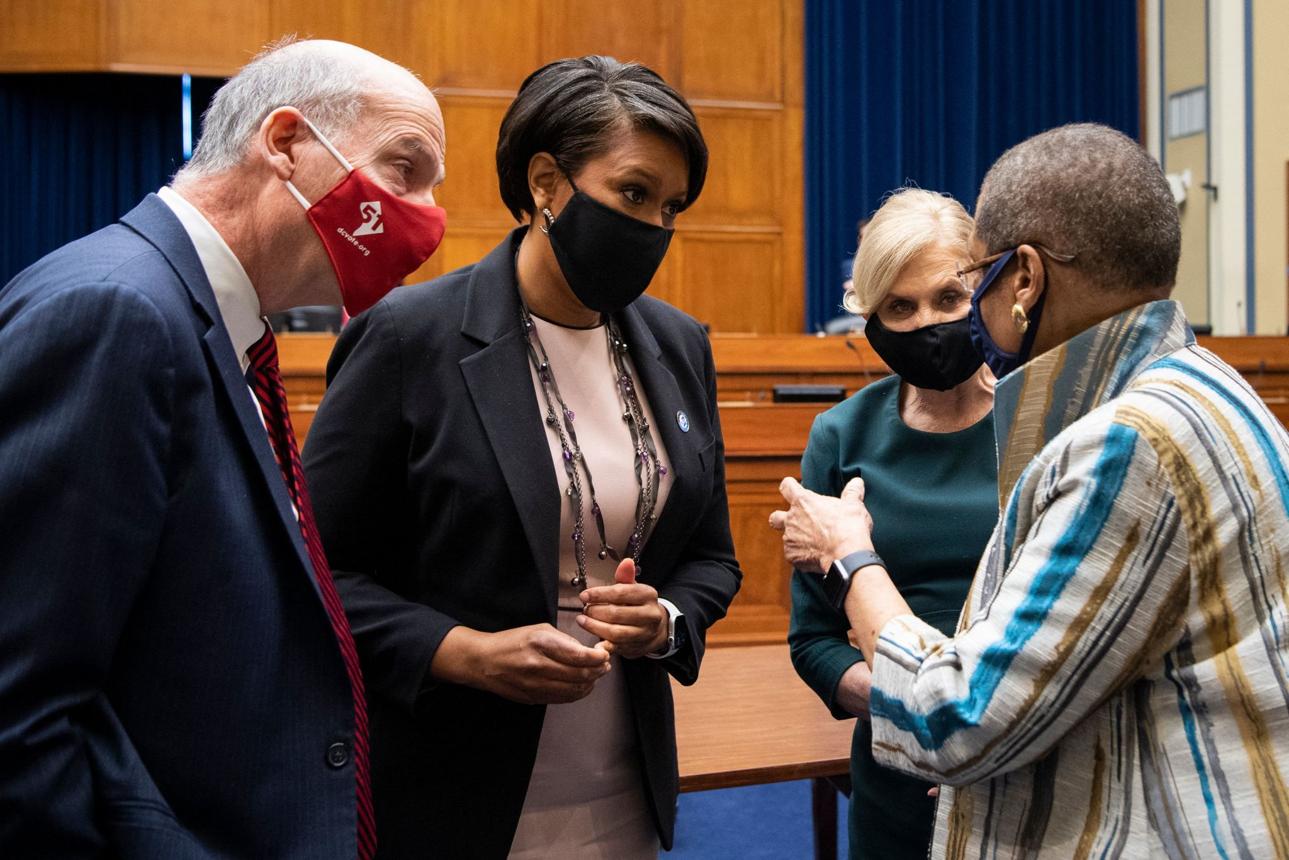
A New Wave of Federal and State Decisions Is Emerging: Here’s What to Watch
A growing number of federal and state policy decisions are shaping how Americans live, work, invest, travel, and access public services. From tax policy and infrastructure spending to energy regulation, housing initiatives, and workforce development, government actions at multiple levels are creating new opportunities and challenges. Understanding these developments can help households and businesses make more informed decisions in a rapidly evolving policy environment.

The Economic Trends Quietly Shaping Household Finances Across the United States
Household finances in the United States are being influenced by a range of economic trends that often receive less attention than headline inflation or stock market movements. Changes in housing costs, labor markets, consumer debt, savings behavior, healthcare expenses, and technology-driven spending patterns are reshaping how Americans manage money. Understanding these trends can help households make more informed financial decisions and better prepare for future economic conditions.
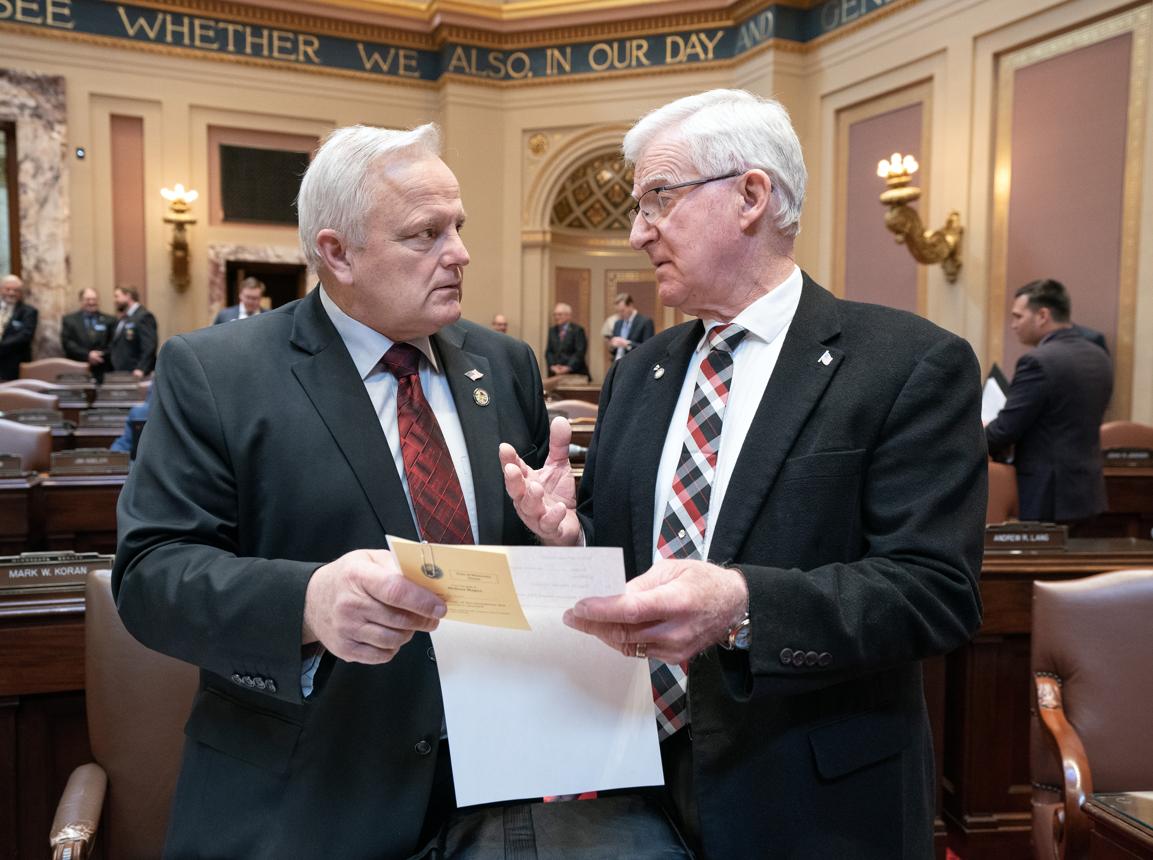
Why Several States Are Rethinking Key Policies—and What It Could Mean for Americans in 2026
Across the United States, state governments are reevaluating policies related to housing, taxes, education, healthcare, energy, public safety, and workforce development. These shifts reflect changing economic conditions, demographic trends, budget realities, and voter priorities. As states experiment with new approaches, the decisions made in 2026 could influence household finances, business opportunities, public services, and quality of life for millions of Americans.

The Evolving Relationship Between Celebrities, Public Causes, and Washington, D.C.
Washington, D.C. has increasingly become a gathering place where celebrity influence, public causes, media attention, and civic engagement intersect. In 2026, entertainers, athletes, business leaders, authors, and public figures are playing a larger role in raising awareness about social issues, supporting nonprofit organizations, and participating in public conversations. This evolving relationship is helping reshape how advocacy, influence, and community engagement operate in modern America.
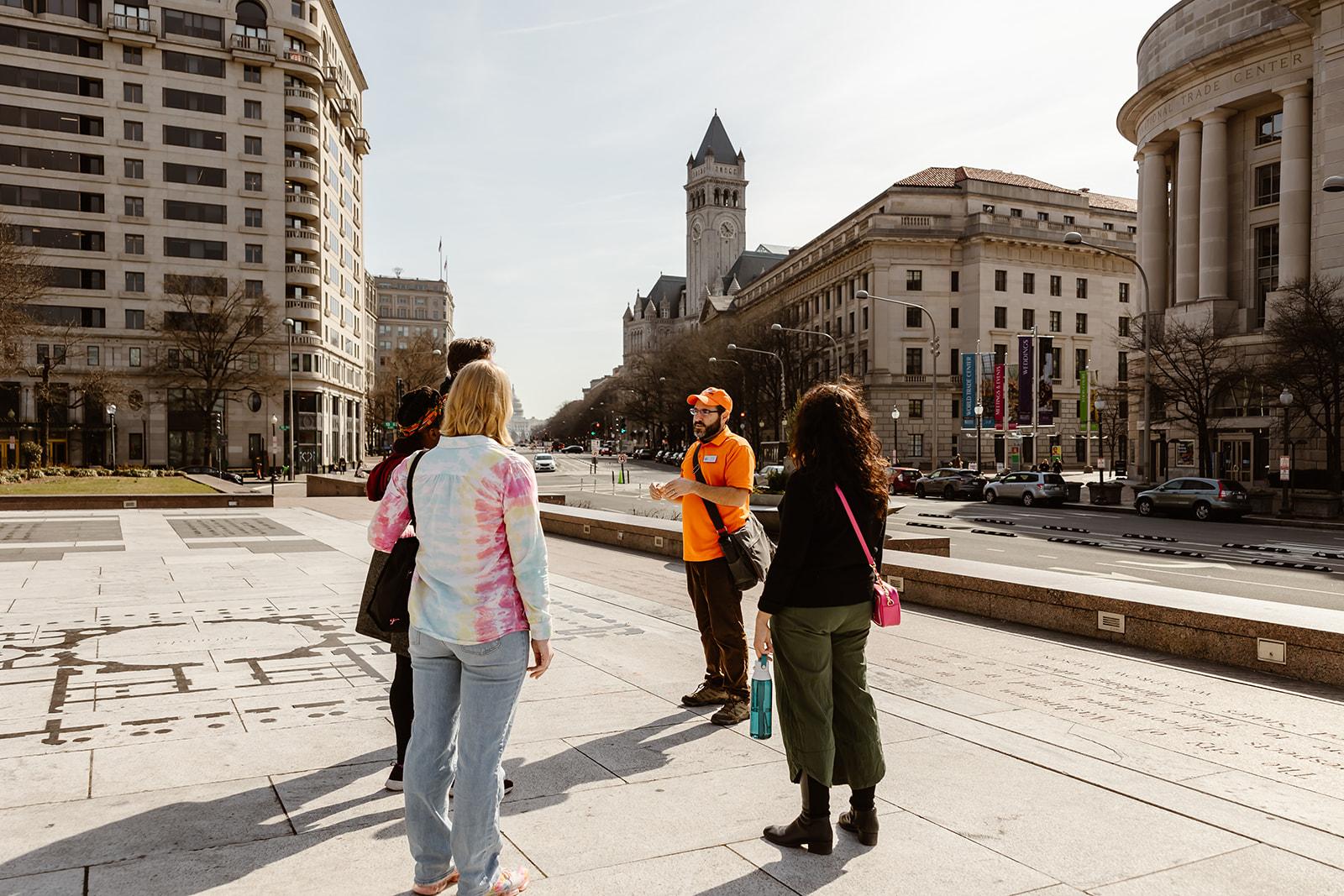
How Washington, D.C. Is Expanding Its Appeal Beyond History and Government Landmarks
Washington, D.C. has long been known for its monuments, museums, and government institutions, but in 2026 the city is attracting attention for much more. Visitors are increasingly drawn to its evolving neighborhoods, waterfront destinations, food culture, arts scene, public events, and community-focused experiences. These developments are helping transform Washington into a broader travel destination that appeals to a diverse range of interests.
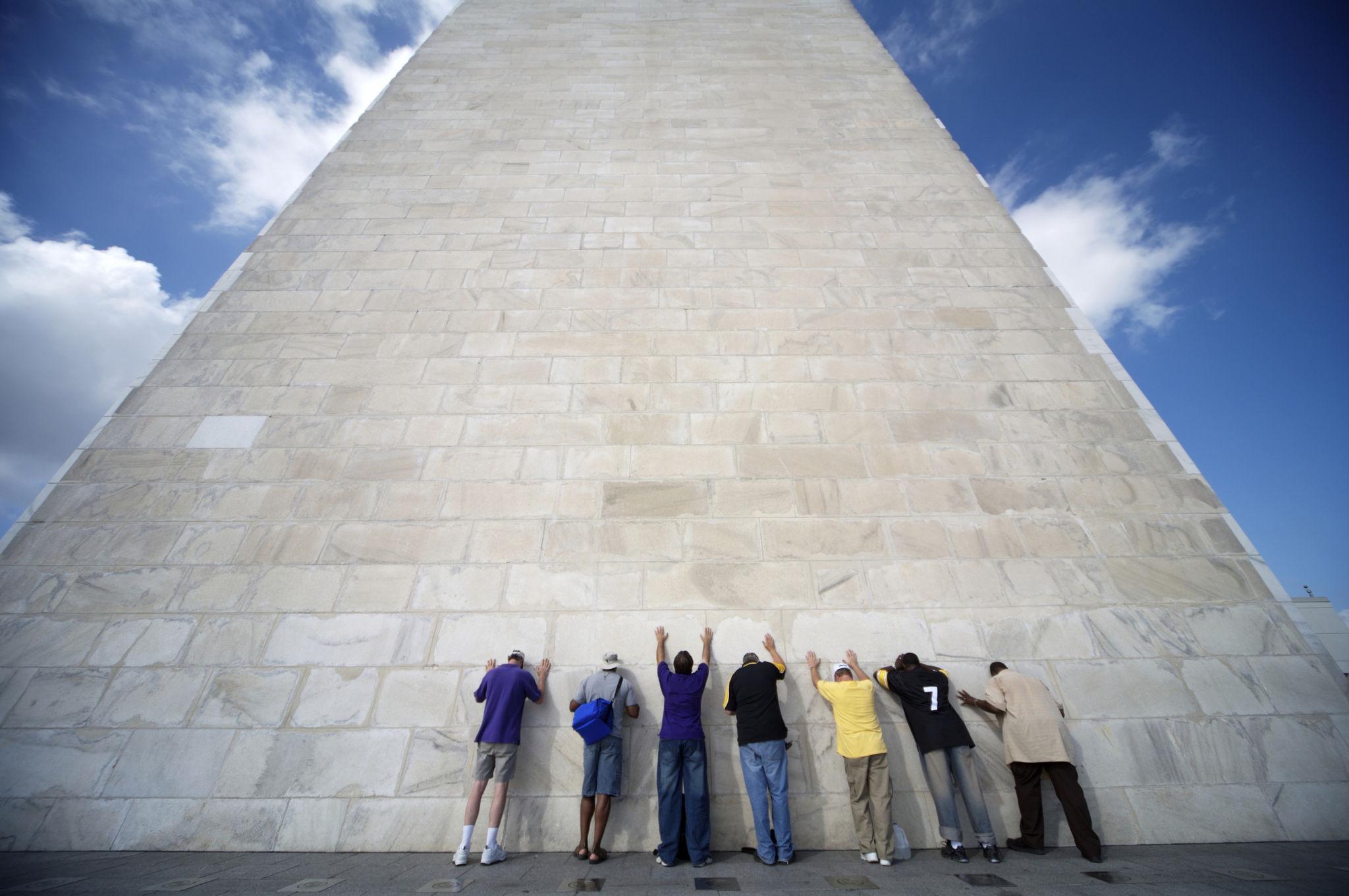
Why More Travelers Are Adding Washington, D.C. to Their 2026 Travel Plans
Washington, D.C. is attracting growing attention from travelers in 2026 thanks to its unique combination of history, culture, walkable neighborhoods, free museums, waterfront developments, diverse dining, and year-round events. Beyond iconic landmarks, visitors are discovering authentic local experiences, vibrant communities, and educational attractions that make the nation's capital one of America's most appealing destinations for families, solo travelers, and cultural explorers.
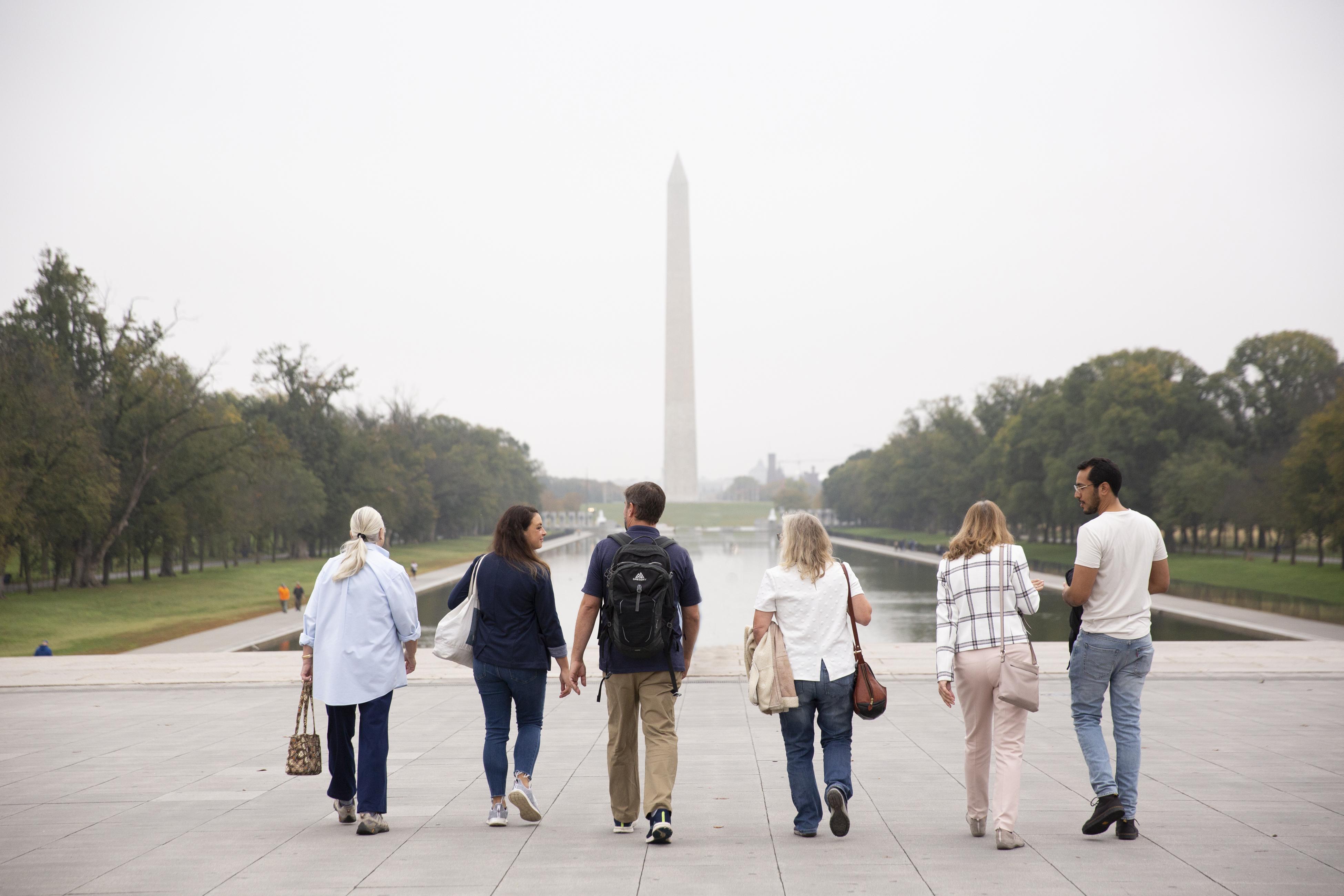
What Makes Washington, D.C. One of America’s Most Discussed Travel Destinations in 2026?
Washington, D.C. continues to attract attention in 2026 as a destination that combines history, culture, education, entertainment, and public life. Beyond its iconic monuments and museums, the city offers evolving neighborhoods, diverse culinary experiences, cultural events, and accessible public attractions. These factors are helping Washington remain one of the most talked-about travel destinations in the United States.
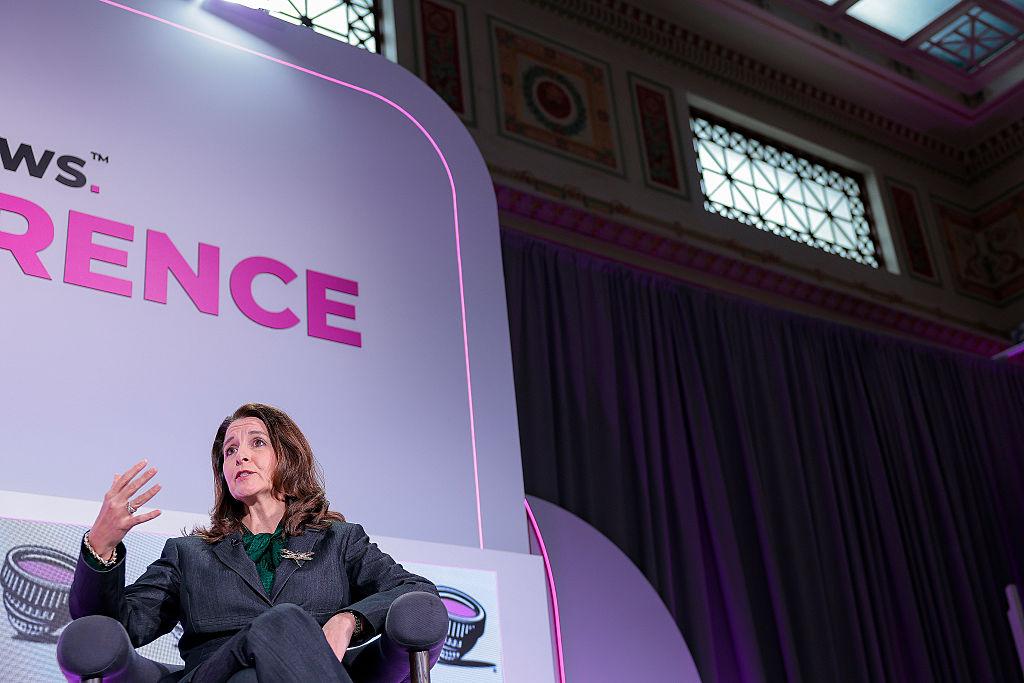
How High-Profile Figures Are Helping Shape Washington, D.C.’s Cultural Spotlight in 2026
Washington, D.C. is increasingly emerging as a destination where culture, influence, media, public service, and civic engagement intersect. In 2026, high-profile figures from entertainment, sports, journalism, business, and philanthropy are helping elevate the city’s cultural visibility through public events, advocacy initiatives, educational programs, and community partnerships. Their involvement is contributing to a broader understanding of Washington as more than a political center.
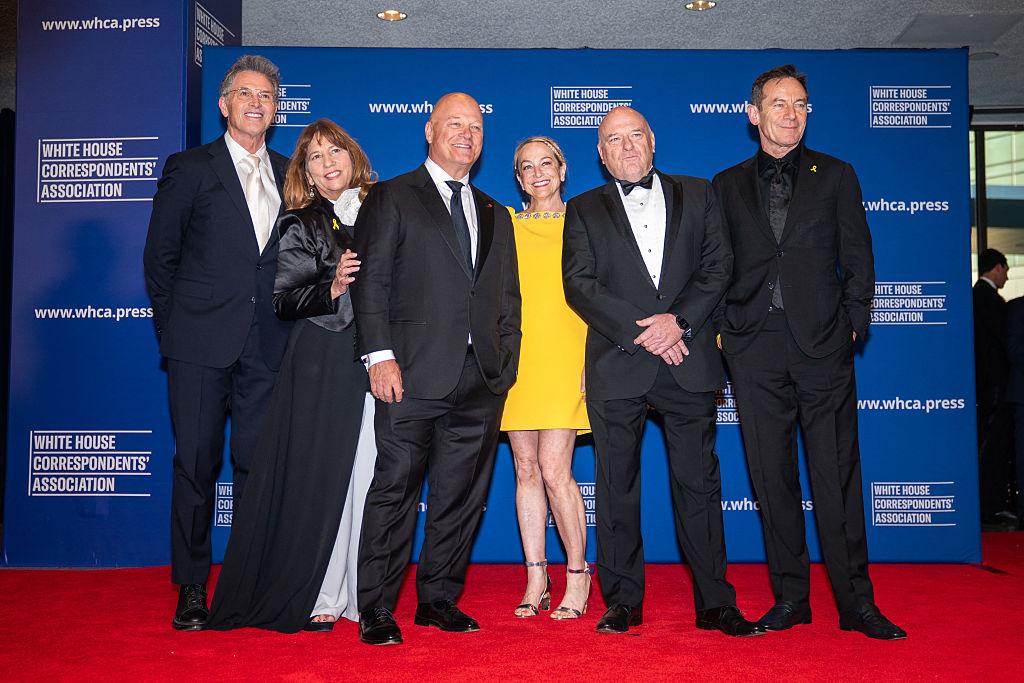
Inside Washington, D.C.’s Expanding Role in Celebrity, Media, and Public Life
Washington, D.C. is increasingly becoming a destination where celebrity influence, media attention, advocacy efforts, and public policy intersect. From high-profile appearances and cultural events to social causes and public engagement initiatives, celebrities are playing a growing role in the city's public life. This evolving relationship reflects broader changes in how influence, communication, and civic participation operate in modern America.
Washington, D.C.’s Next Chapter: Key Developments That Could Influence Daily Life
Washington, D.C. is entering a new phase of growth shaped by housing initiatives, transportation improvements, public safety strategies, infrastructure investments, workforce development programs, and evolving public services. These developments could affect residents, businesses, and visitors in meaningful ways. Understanding the city's emerging priorities provides valuable insight into how daily life in the nation's capital may continue changing throughout 2026 and beyond.

The New Priorities Shaping Washington, D.C. in 2026: From Housing to Public Services
Washington, D.C. is entering 2026 with renewed focus on housing affordability, public safety, transportation modernization, economic resilience, workforce development, and improved public services. City leaders, businesses, and community organizations are working to address evolving urban challenges while preparing for future growth. These priorities could significantly influence residents' quality of life, business opportunities, and the overall direction of the nation's capital.
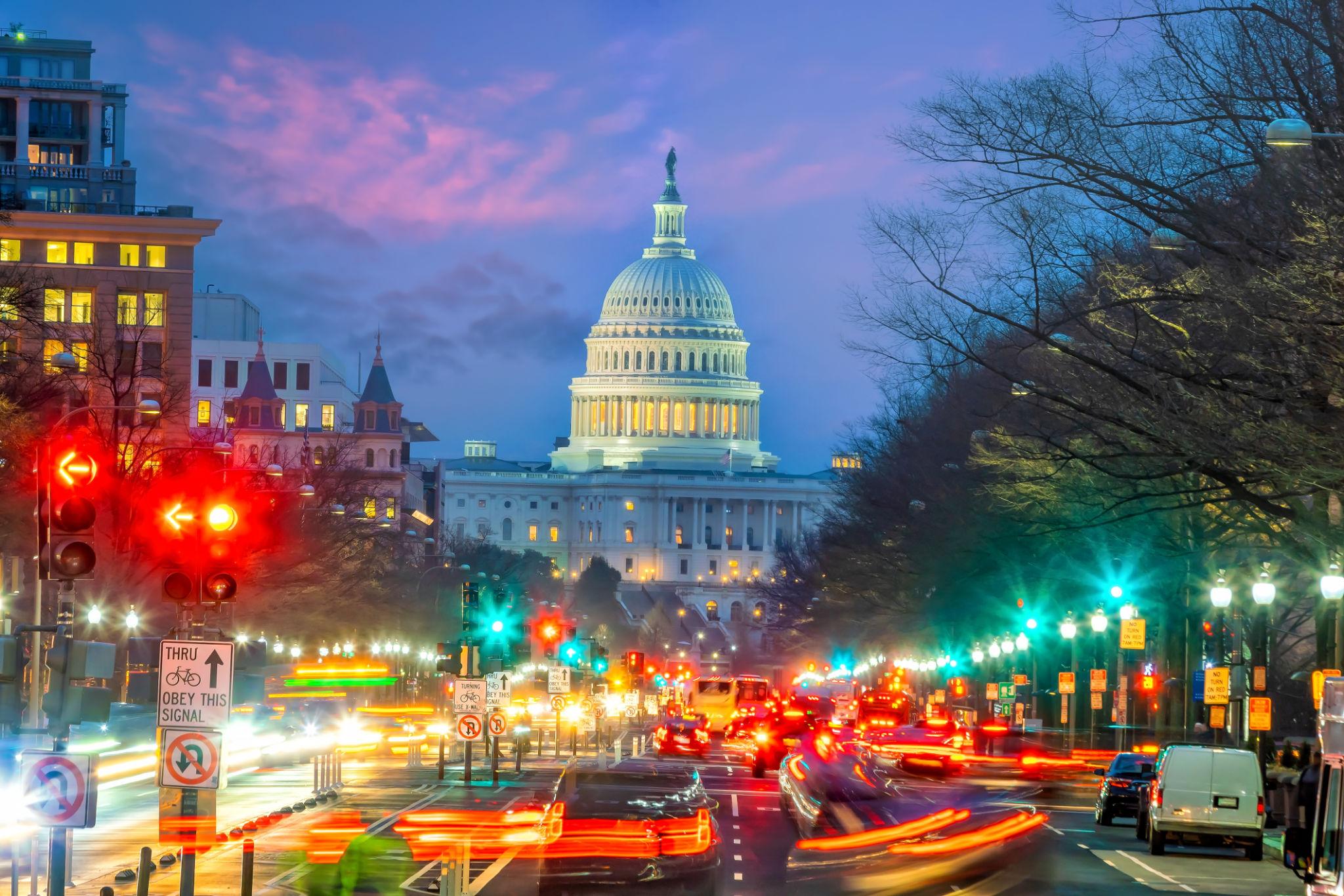
What Recent Changes in Washington, D.C. Could Mean for Residents, Businesses, and Visitors
Washington, D.C. is experiencing changes that affect housing, transportation, public safety, economic development, tourism, and infrastructure investment. These developments could influence everyday life for residents, operating conditions for businesses, and travel experiences for visitors. Understanding these shifts provides valuable insight into how the nation's capital is adapting to new economic realities, population needs, and long-term urban planning priorities.
Several Major Decisions Are Taking Shape in Washington, D.C.—Here’s What to Know
Washington, D.C. is entering a period marked by significant policy debates, budget choices, infrastructure planning, public safety initiatives, and federal-local coordination efforts. These decisions could influence housing costs, transportation systems, government services, economic growth, and quality of life for residents and visitors alike. Understanding these developments helps Americans better evaluate how policy decisions in the nation’s capital may shape broader national conversations in 2026 and beyond.